
Learn
Start here.
You have the bakkie. Now what?
This is the plain-language guide to driving it, loading it, kitting it and getting it out of town and back again. No jargon you have to pretend to follow. Written by the people who fit this equipment every day, in a network that has been doing it for more than 35 years.
Read it in order the first time. After that, use it as a reference.
Last reviewed
The basics
What overlanding actually means
Do you actually need a 4×4?
Not for everything, and this is worth saying plainly, because it is the question that stops most people from starting.
A high-clearance vehicle with good tyres and a careful driver will reach most of the gravel in this country. You need low range and four-wheel drive when the surface stops giving you traction: deep sand, wet clay, loose steep climbs and water crossings.
The honest test is not the badge on the tailgate. It is where you plan to go, how heavily loaded you will be, and how long it would take somebody to reach you if it went wrong.
Start with what you have. Find out where it stops. Then spend money on the specific thing that stopped you.
Section 1
Know the vehicle before you spend a cent on it
Most first upgrades get bought to solve a problem the driver has not diagnosed yet. Learn what the vehicle already does, then buy.
2H, 4H and 4L
Do not use 4H or 4L on dry tar. On a hard surface the front and rear axles cannot absorb the small difference in the distance they travel through a corner, and something in the drivetrain has to give.
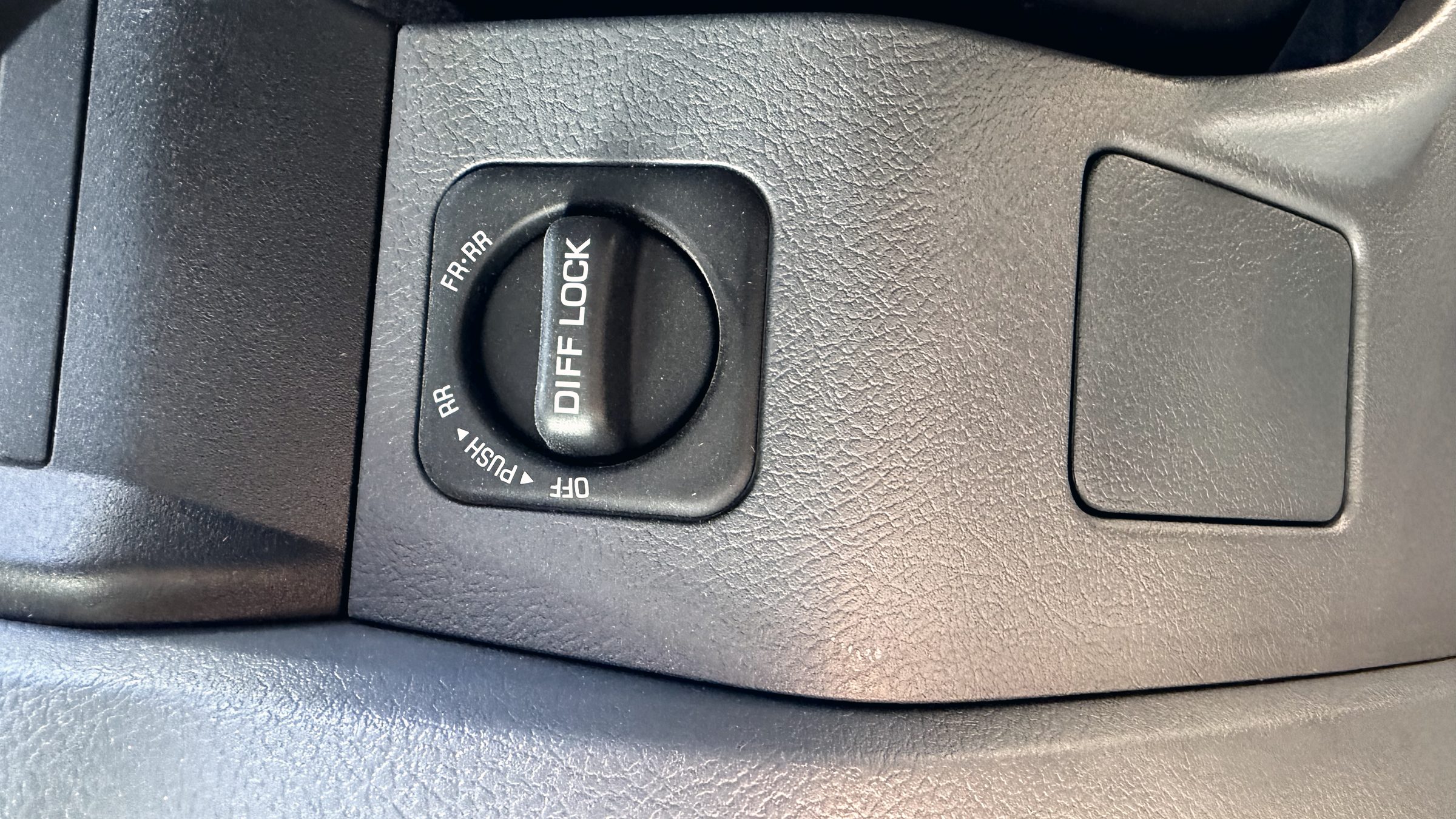
Diff locks
Engage it when a wheel is already spinning uselessly, not before, and disengage it the moment you are through. A locked axle will not steer.
A centre diff lock is a different thing again. It ties the front and rear axles together, which is what a full-time four-wheel-drive vehicle needs before it leaves tar.
Traction control is not a diff lock
Electronic traction control brakes a spinning wheel so the differential sends torque to the one with grip. On many modern vehicles it works remarkably well and is the reason a lot of drivers never miss a rear locker.
It is also less effective once the brakes are hot, and it can be defeated by the wrong throttle input. Know which system your vehicle has and know how to switch it off, because there are situations, deep sand chief among them, where the intervention is the thing stopping you.
Wading depth
A snorkel raises the air intake. It does not waterproof the vehicle. Differential breathers, gearbox breathers, electrics and the alternator all sit below the intake.
Safety
Walk the crossing first. If you are not prepared to walk it, do not drive it.
Approach, departure and breakover
The three angles that decide whether you get through an obstacle or leave part of the vehicle in it. Approach is the front, departure is the rear, breakover is the ridge under the belly.
A towbar and a step lower your departure angle. A long wheelbase worsens your breakover. These are geometry, not power, and no amount of engine fixes them.
Section 2
The two numbers that govern everything you fit
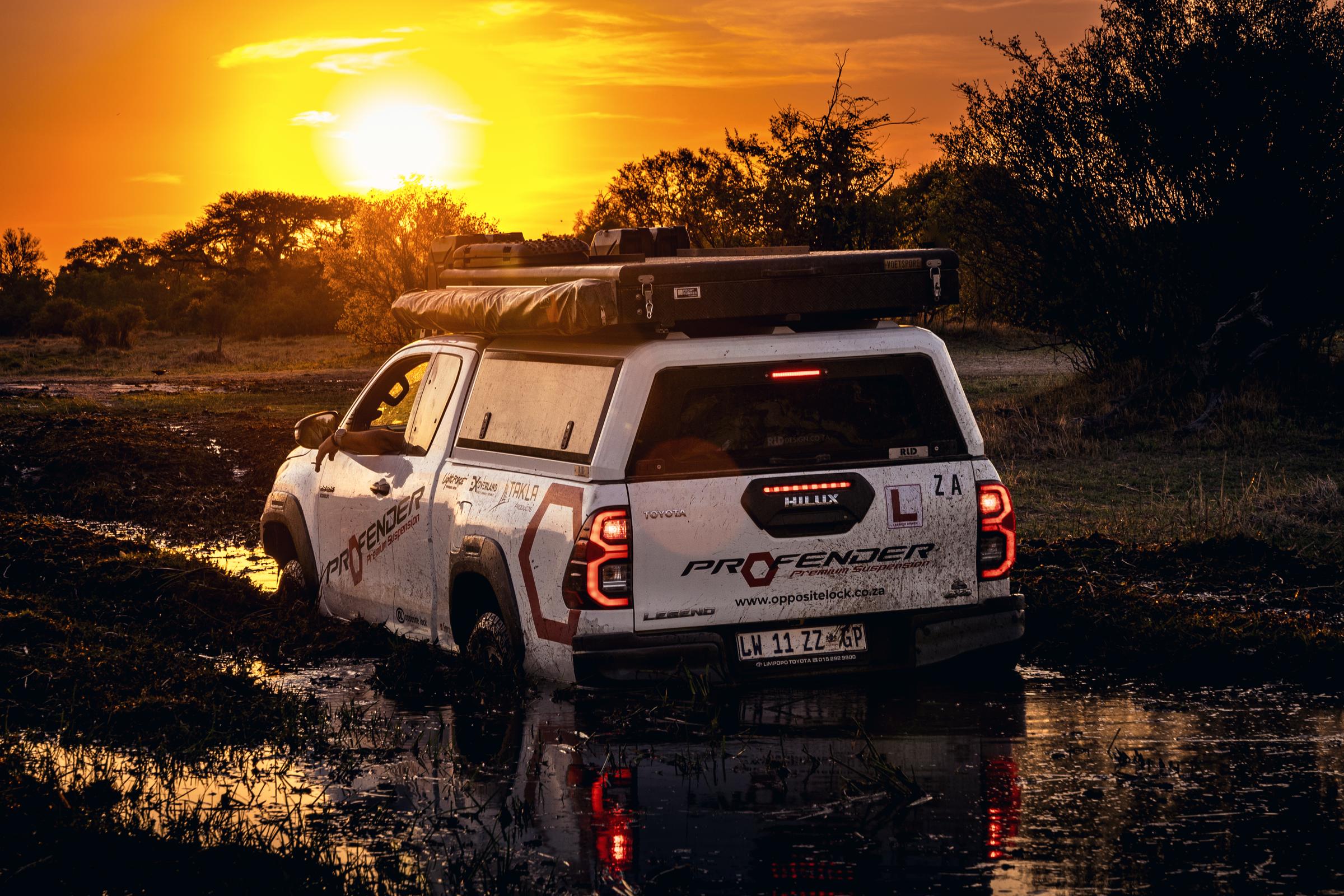
The arithmetic surprises people. A bull bar, a winch, a canopy, a drawer system, a rooftop tent and rack, jerry cans, 80 litres of water, a full fridge, recovery gear, a compressor, tools, four adults and their bags. Most double-cab bakkies are at or past their payload before the trip starts, and the load that pushes them over is usually water and people, not accessories.
Two habits fix this. Weigh the vehicle loaded, on a public weighbridge, before a long trip. And write down what everything weighs as you fit it, because nobody remembers afterwards.
Why it matters beyond the fine
Payload is the number your suspension is specified against, the number your tyres are rated against, and the number that decides how the vehicle behaves in an emergency swerve. It is the most consequential thing on this page and the least discussed.
The full treatment, including the legal position and the honest answer on GVM upgrades, is coming shortly.
Section 3
Tyres and pressures
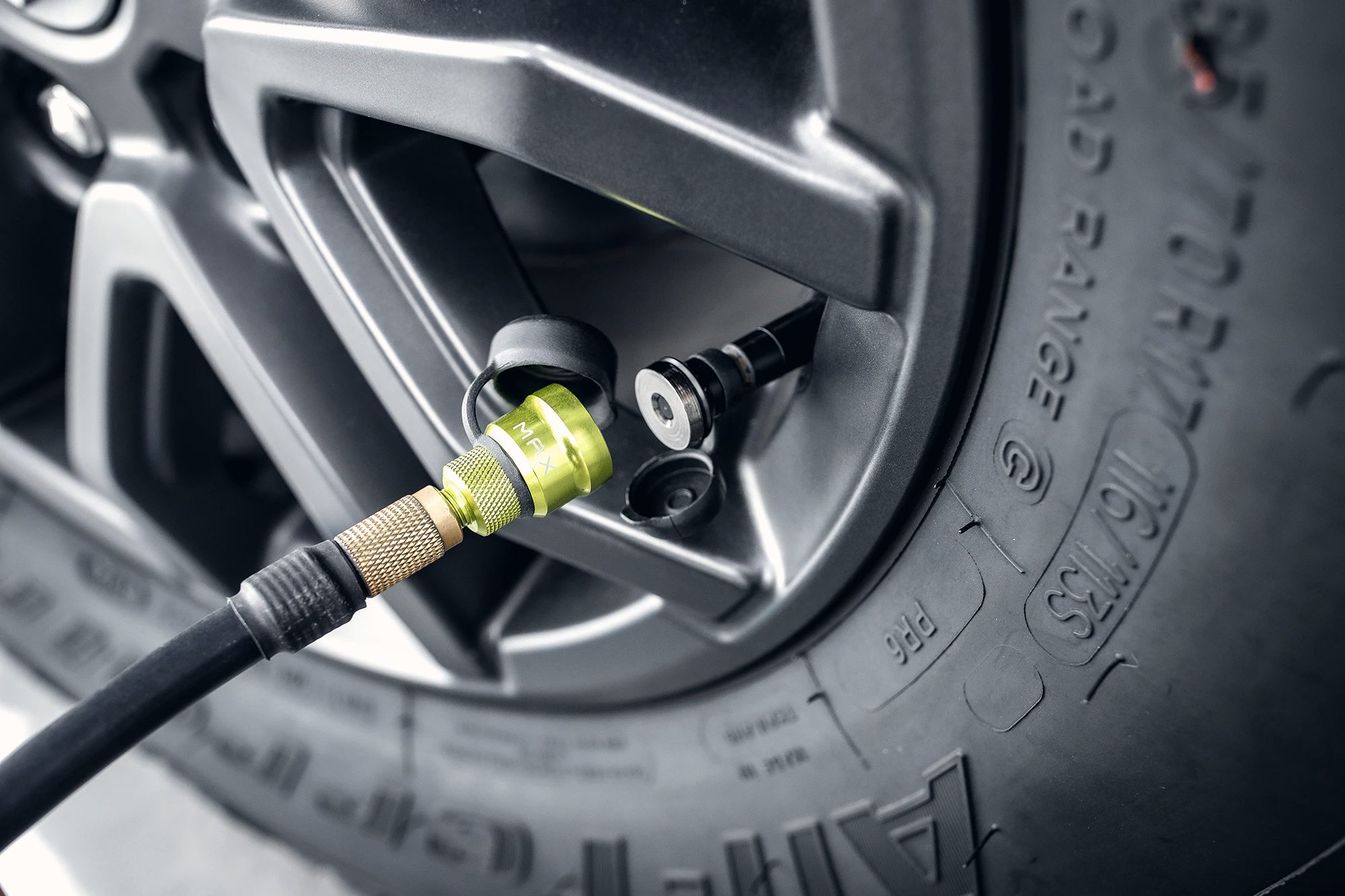
The rule that matters more than the number: every bar you take out, you take speed off. A deflated tyre run at road speed overheats, the sidewall flexes past what it was built for, and it fails. Reinflate before you get back on tar.
Which makes a compressor the most-used piece of recovery equipment most people own, and the one they buy last.
Section 4
What to fit, and in what order
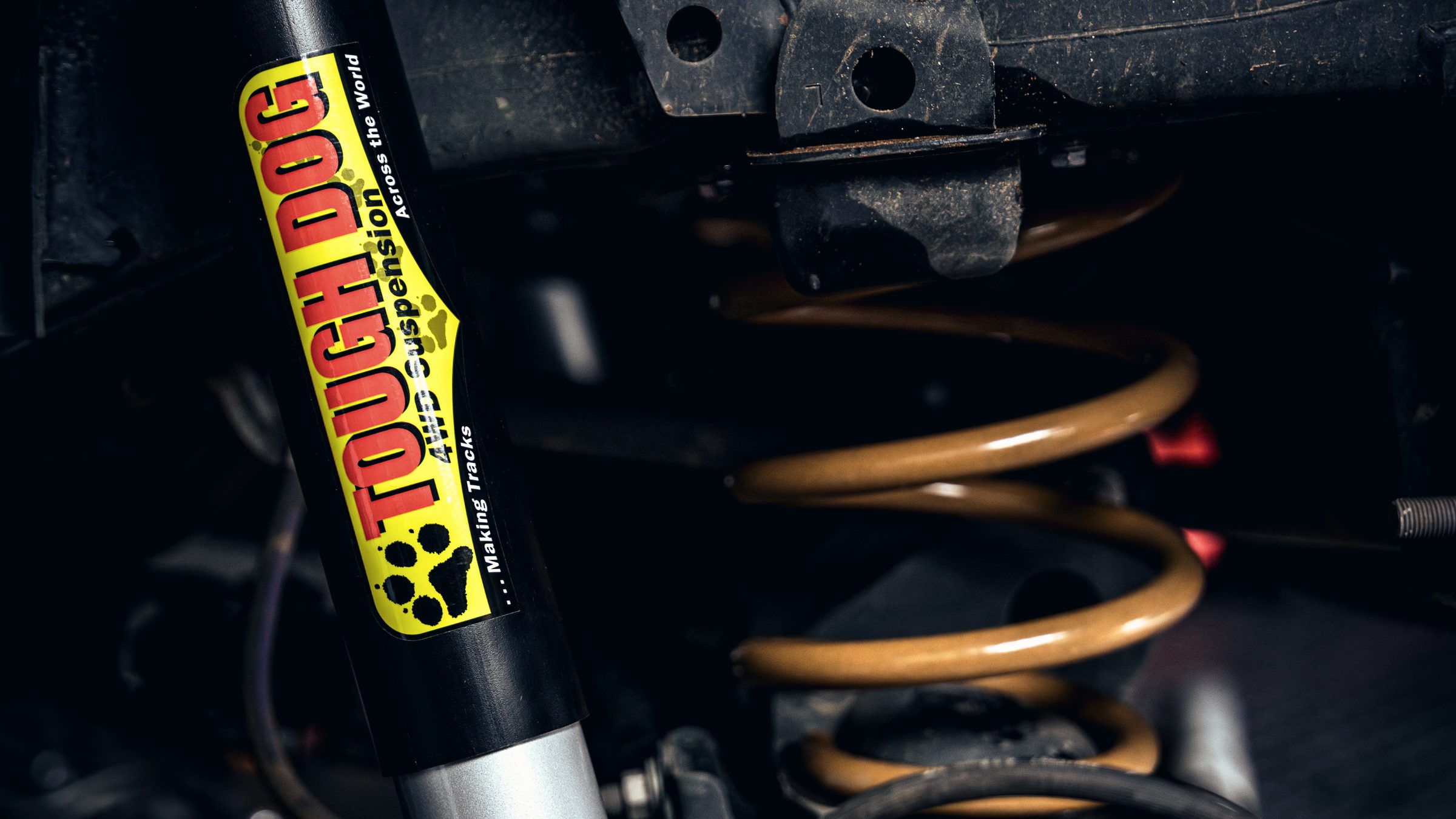
The sequence matters more than the brand. Most people build in the wrong order, which is why so many rigs have an expensive bumper and no way to fix a puncture.
Stage 0. Before you spend anything
Find your recovery points and find out what they are actually rated for. Find out whether your jack will lift the vehicle when it is loaded and standing on soft ground. Weigh the vehicle. Learn the vehicle, per section 1. This stage costs nothing and it changes what you buy next.
Stage 1. Getting home safely
Recovery gear and a rated recovery point. A tyre repair kit and a compressor. Communications for where there is no signal. A real first aid kit. Tyres, if yours are road-biased. This stage is not exciting and it is the stage that matters.
Stage 2. Range and comfort
12V power and a fridge. Water carrying. Storage and drawers, so the load sits low and secured. Auxiliary lighting. This is the stage where a weekend becomes a week.
Stage 3. Capability
Suspension specified against the weight you now actually carry. Underbody and frontal protection. Air filtration and a snorkel. A winch, if where you go and who you go with justifies one.
Why suspension is deliberately last
Suspension is specified against laden mass. Fit it before you know what the vehicle weighs loaded and you are specifying against a guess. Fit it after stage 2 and you can hand the fitment centre a real number off a weighbridge ticket.
Interactive · See it work
Nine stages, one shock
How a 9-stage adjuster changes the push, shown on an illustrative cutaway of a Tough Dog foam-cell shock.
Section 5
Power, keeping the fridge running
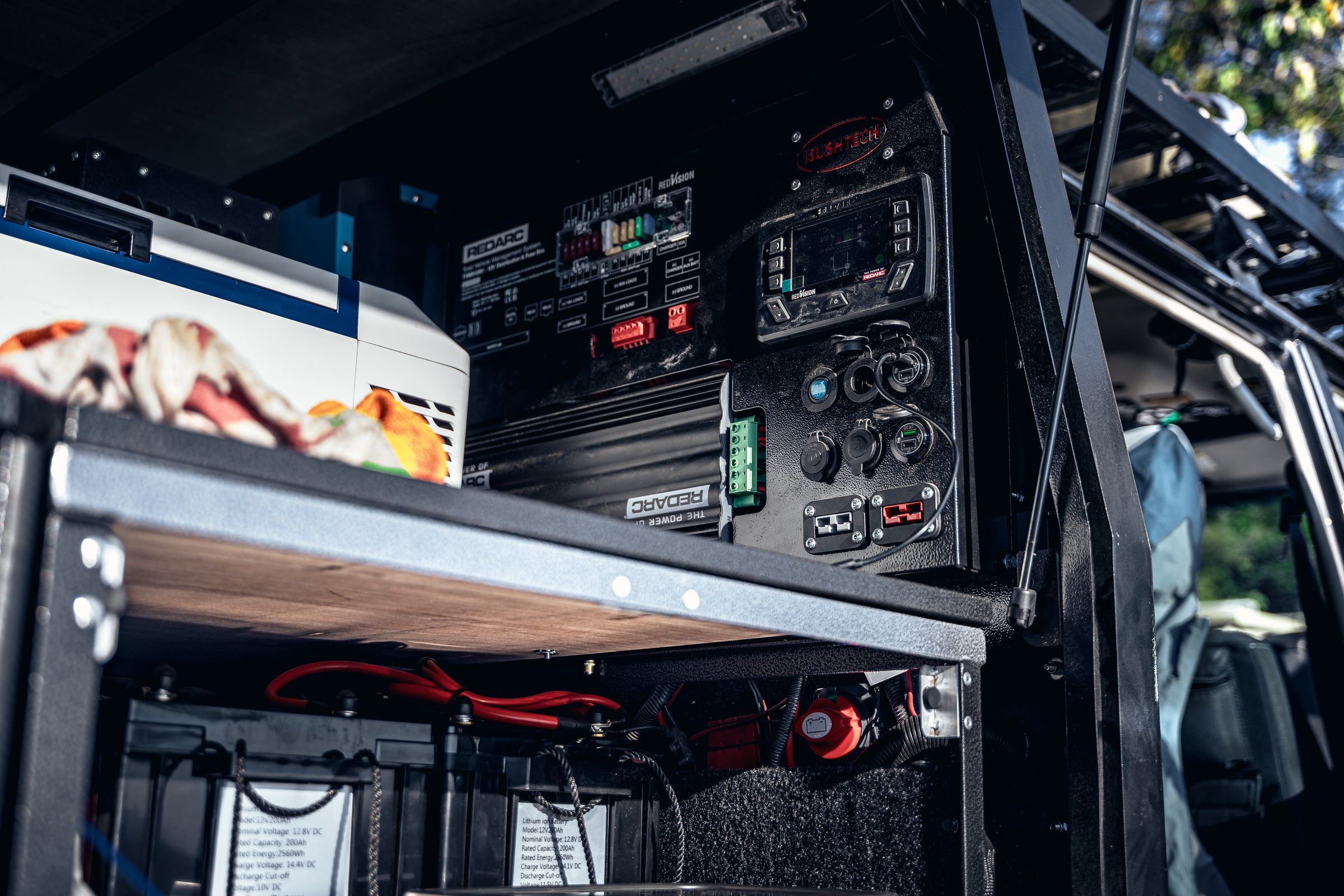
The honest answer to how long your fridge will run is that it depends on more things than the fridge's advertised draw, so work it out for your setup rather than trusting a number off a box.
Section 6
Storage and canopies
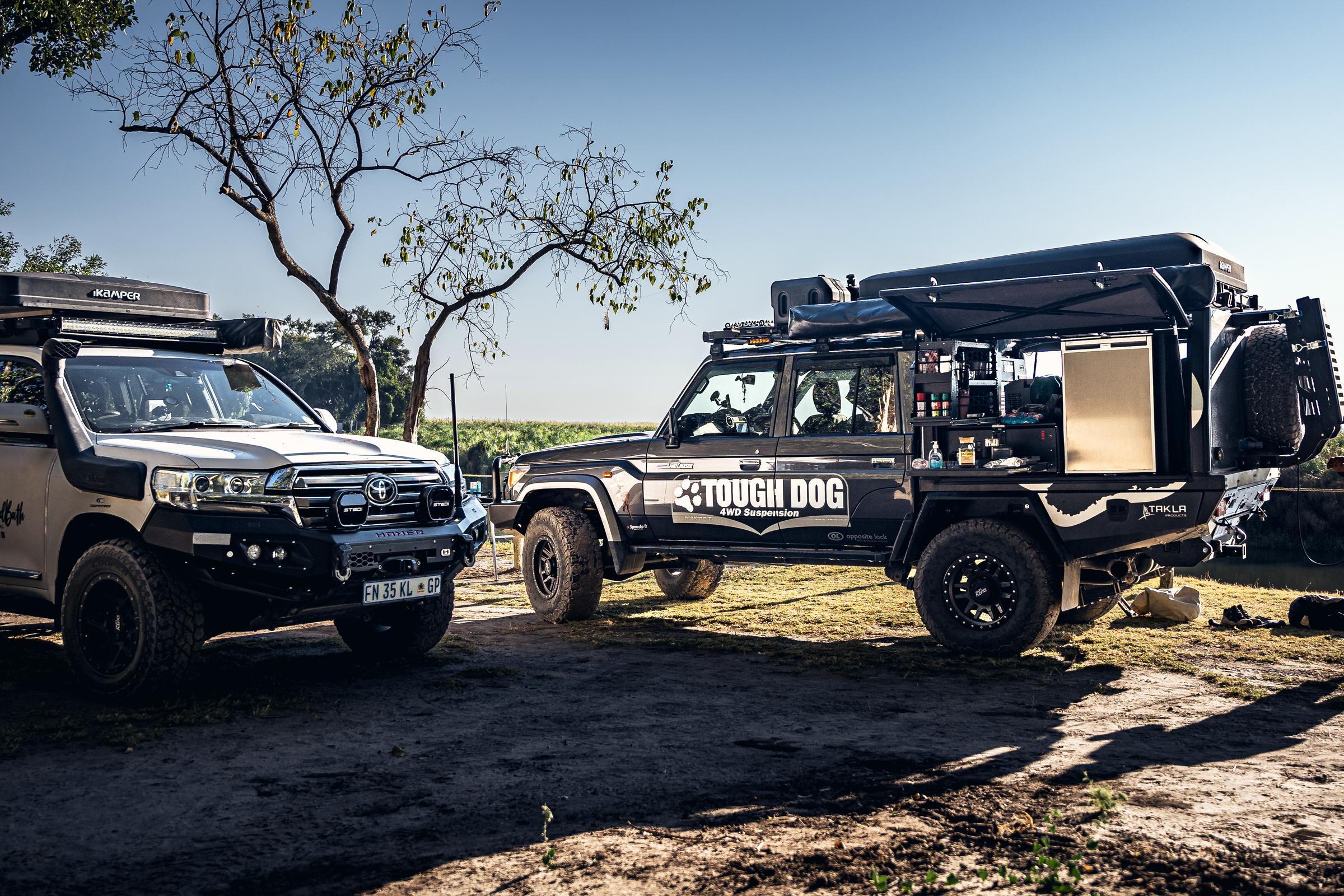
Cook outside, always. Gas stoves burn oxygen and produce carbon monoxide, and stove makers say plainly they must never be used in an enclosed space. Keep the cylinder upright and secured, and check for leaks with soapy water, never a flame.
Section 7
Driving lights
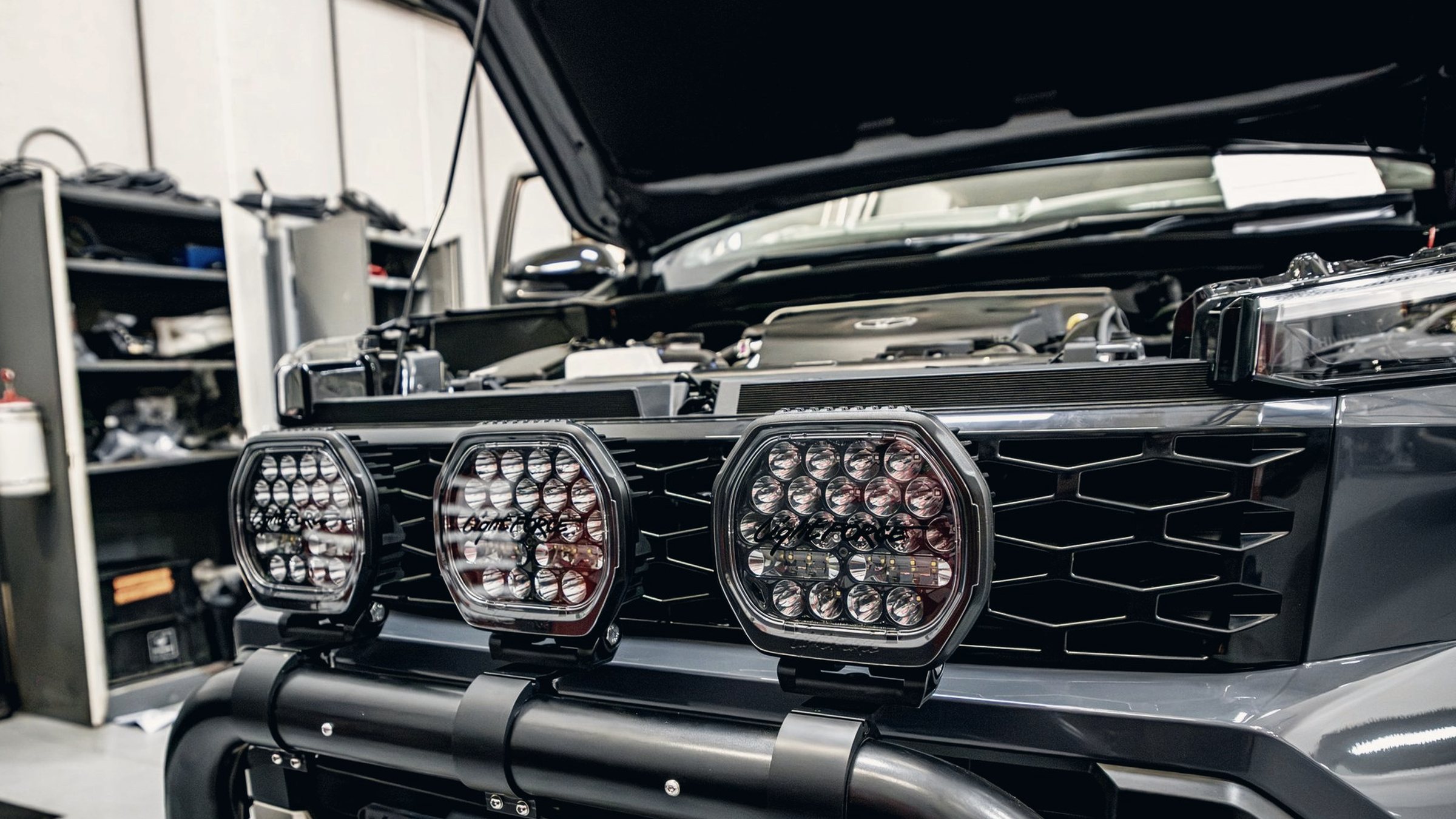
At 100 km/h you cover about 28 metres every second, so light that reaches further buys you time. Roof bars are for off-road use and stay off on a public road.
Section 8
Snorkels, air and dust
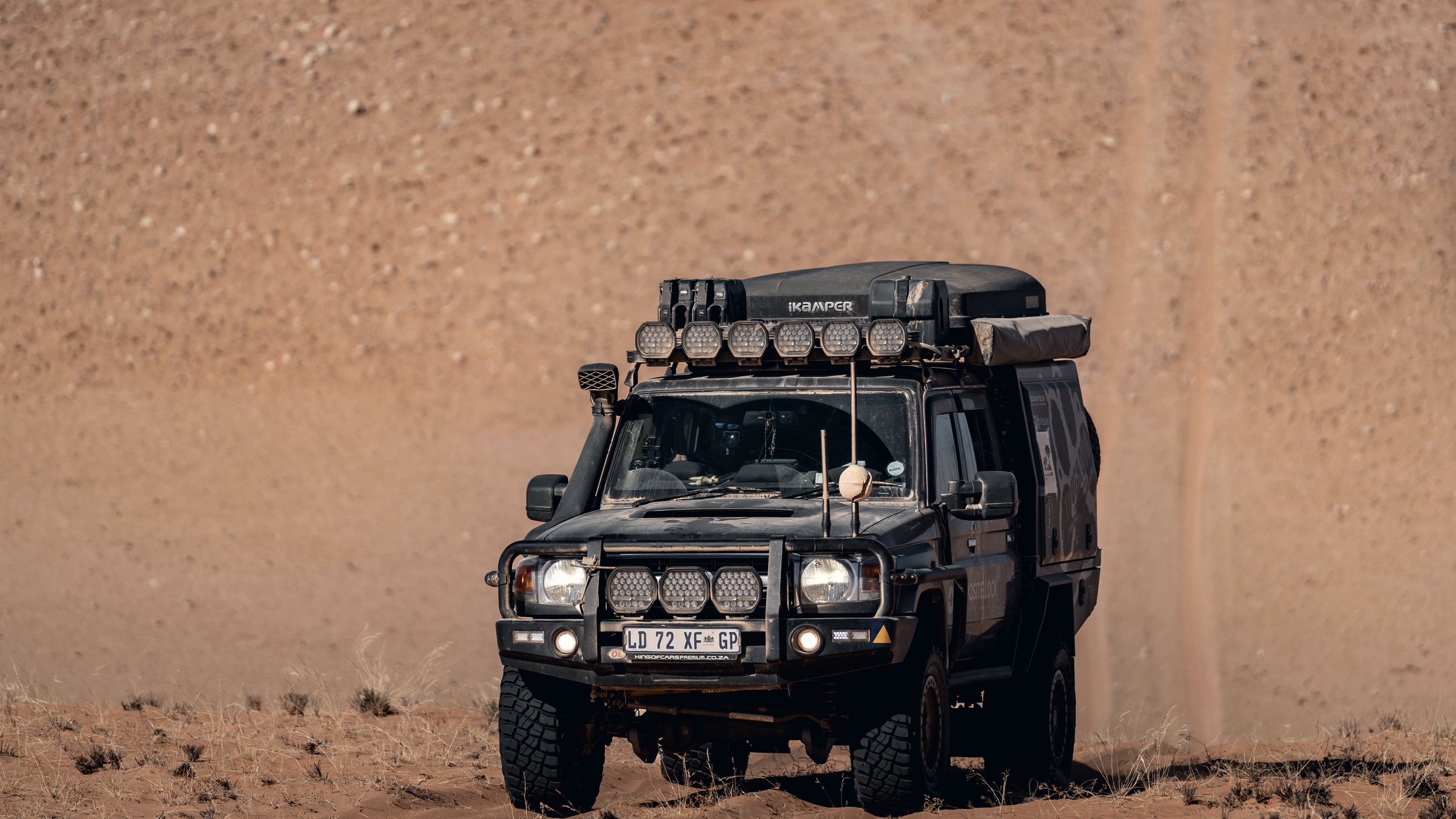
If your owner's manual gives a wading depth, that is still your number. Walk a crossing before you drive it.
Section 9
Recovery
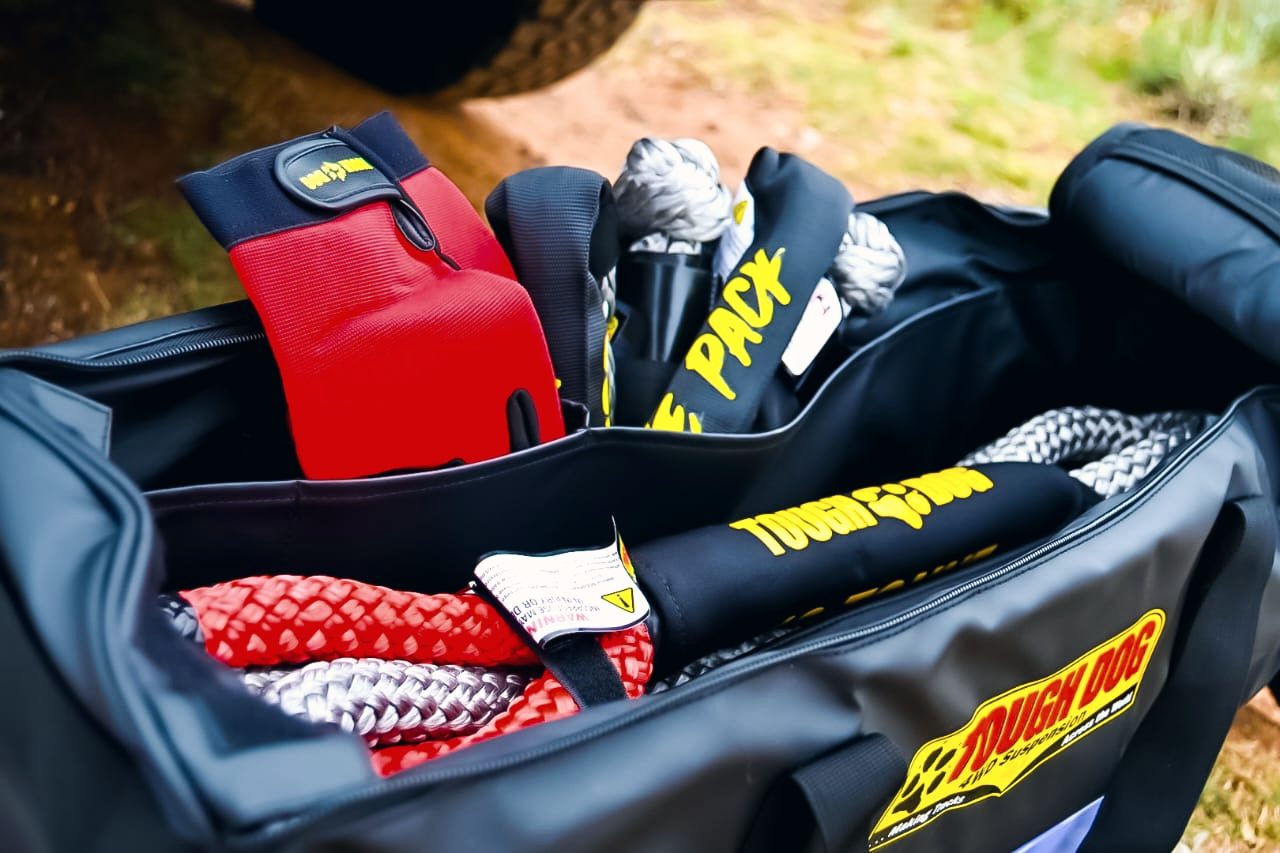
This section is deliberately blunt. Recovery is the only thing on this page that regularly injures and kills people, and most of the harm comes from equipment used the way it looks like it should be used.
Safety
Never recover from a tow ball. A recovery strap must be connected to a rated recovery point. Australia's consumer regulator, that country's 4WD Industry Council and ARB all publish the same instruction: do not connect to a tow ball, a tie-down point, a towbar or directly to a bull bar. ARB's wording is that tow balls are not made of high-tensile material and have been known to fail under stress with the potential to become lethal missiles.
Your vehicle's factory tie-down points are for securing it to a transporter. They are not recovery points. Find out what your vehicle has and what it is rated for. If it does not have rated points, that is the first thing to fit.
Three rules that are not optional during a strap recovery
- 01Drape a damper, a heavy bag or a blanket over the strap.
- 02Everyone not driving gets out and stands at least one and a half times the un-stretched length of the strap away, and to the side of the line of the recovery rather than in line with it.
- 03Inspect the strap before every use, because a damaged strap fails.
Most recoveries are not dramatic. The most common recovery in southern Africa is dropping tyre pressure, clearing sand from in front of the wheels, and reversing out along your own tracks. Recovery boards handle most of what is left. A winch matters when you travel alone, and it matters much less when you travel in convoy with someone who has one.
The full recovery guide, including strap selection and the standards position, is coming shortly.
Section 10
Sleeping, water and fuel
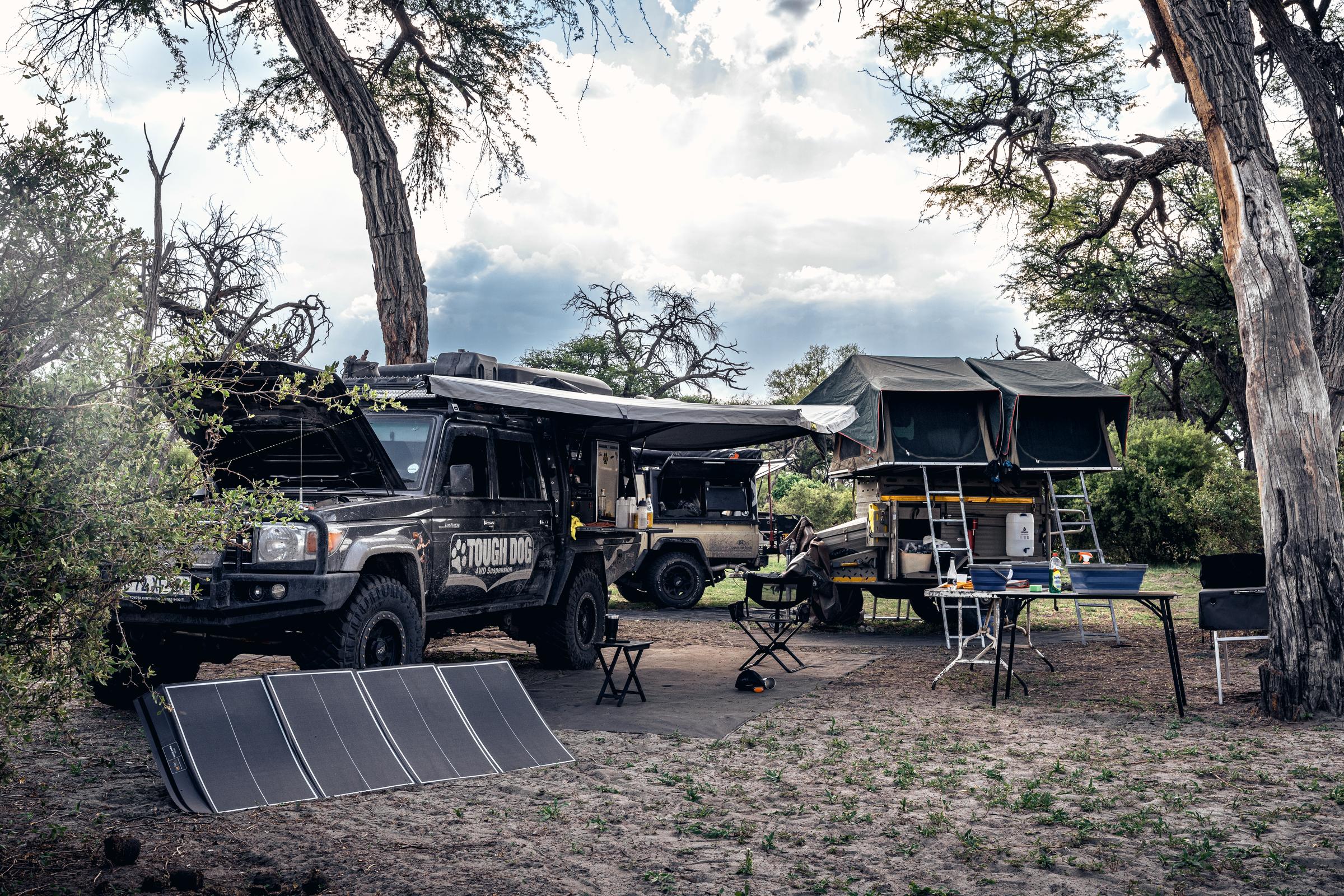
Rooftop tent, ground tent or trailer
There is no correct answer, and the honest comparison is not the one usually published.
| Rooftop tent | Ground tent | Off-road trailer or caravan | |
|---|---|---|---|
| Set-up time | Fastest | Slowest | Slow to pitch, then a permanent base |
| Off the ground | Yes | No | Yes |
| Roof mass | Significant, in the worst possible place | None | None on the vehicle |
| Leaving camp for a day trip | Pack up first | Leave it standing | Leave it standing |
| Ladder at night | A real consideration for children, older travellers and anyone unsteady | Not applicable | Not applicable |
| Where it works | Short hops, moving every night | Budget, and any trip where the vehicle must stay free | Base camps, longer stays, families |
The ladder row is in that table deliberately. It is the most common objection raised in real conversations about rooftop tents and almost nobody writes about it. If someone in your household is unconvinced, this is usually why.
Roof load
Roof mass is the worst mass you can add. It raises the centre of gravity, it counts fully against payload, and it changes how the vehicle behaves in an emergency swerve.
Two ratings matter and they are not the same. The dynamic rating applies while driving. The static rating applies when stationary and is substantially higher, which is why a rooftop tent that would be too heavy to drive with can be entirely fine to sleep in. Static multipliers vary between manufacturers, so use the figures your specific rack and vehicle manufacturer give you rather than a rule of thumb. Your real limit is the lower of the vehicle's roof rating and the rack system's rating.
Water and fuel
Plan water per person per day, then add margin for a breakdown, not just for the trip. Carry it low and carry it secured. A loose 20-litre container is a projectile.
Plan fuel by the longest leg between confirmed refuelling points, not by tank size, and confirm rather than assume. Rural fuel availability is not guaranteed. Jerry cans must be secured, and where they sit affects both your payload distribution and your departure angle.
Section 11
Where you may actually drive
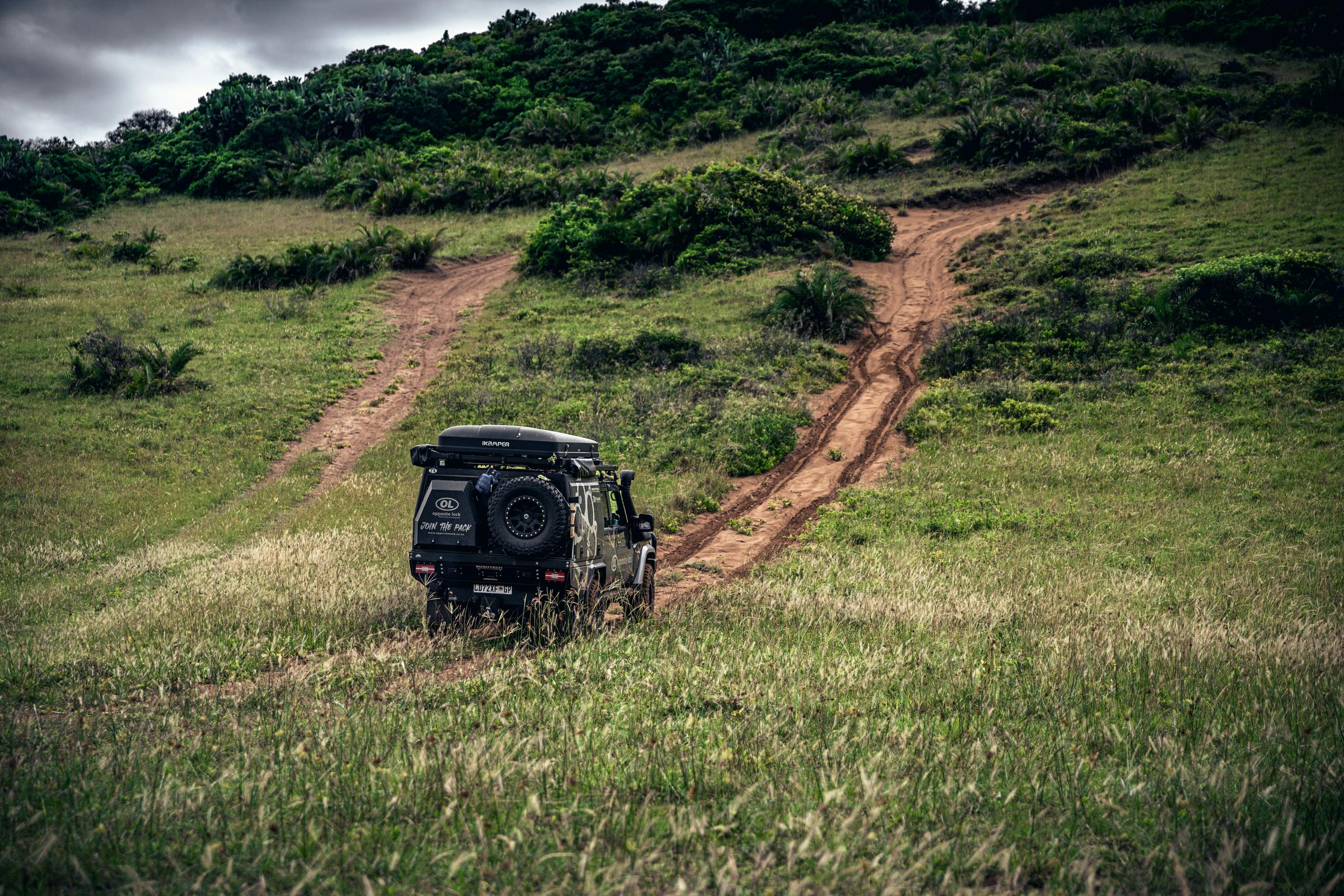
The beginner error is not bundu-bashing. It is pulling off the road surface at a sighting to get a better angle, which is already outside the rule. SANParks' own published position is that off-road driving or driving on closed roads is a serious offence. Sanctioned 4×4 trails and eco-trails do exist inside the parks and are bookable, with rules that vary by trail.
The permissible uses in the coastal zone without a permit are narrow, and the regulations place the onus on the driver.
One more thing that catches beginners out
South Africa has at least five mutually incompatible trail grading systems in circulation. A Grade 3 at one venue is not a Grade 3 at another. Read the venue's own description of what its grades mean, every time, and ask what the hardest single obstacle is rather than trusting the number.
The full guide to where you may legally drive is coming shortly.
Section 12
Your first four trips
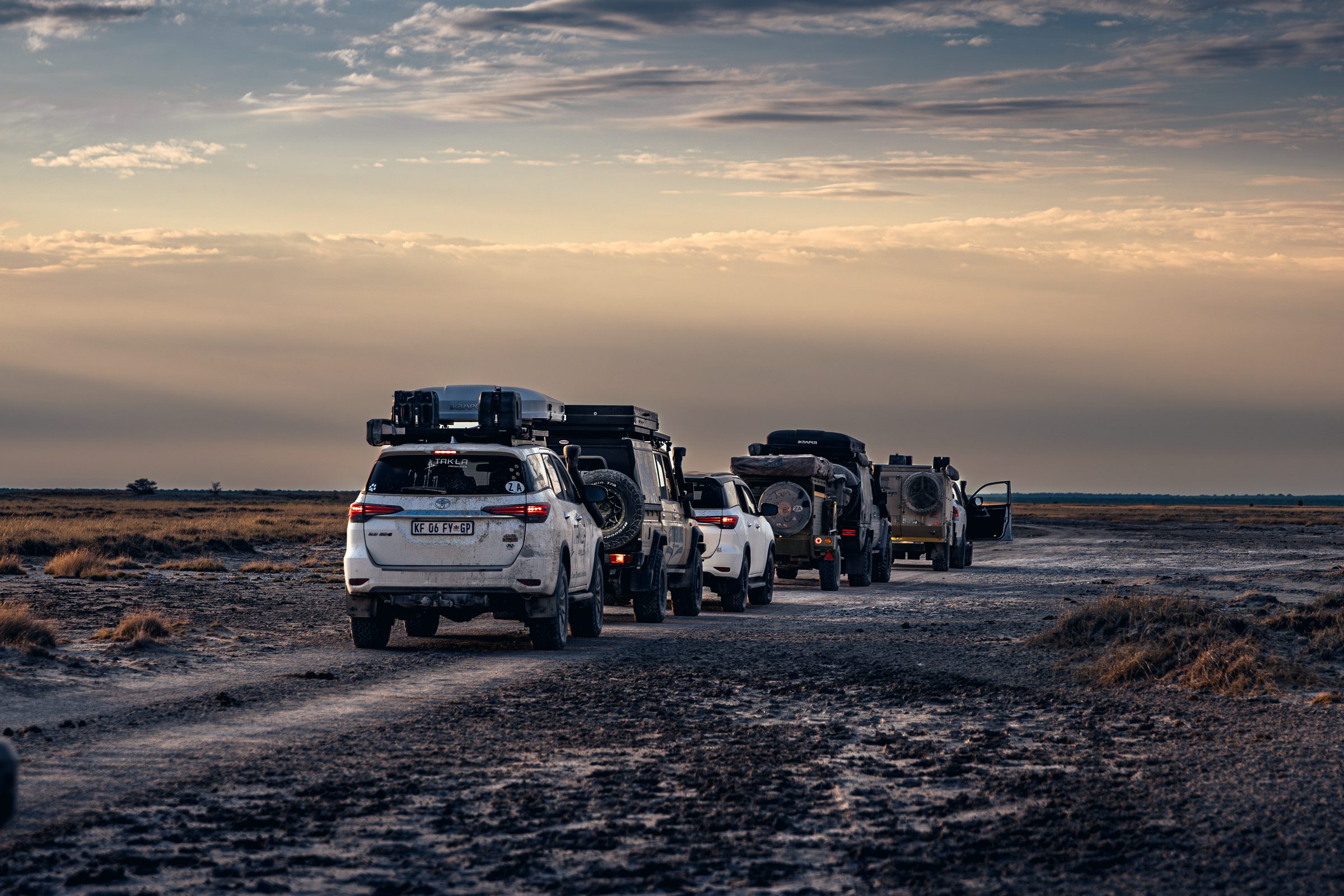
Do these in order. Each one teaches you what to fix before the next.
- 01
A graded day trail within two hours of home, with someone else
No overnight kit, no pressure, and somebody to pull you out. You will learn more about your vehicle in four hours here than in four months of reading.
- 02
Two nights somewhere with facilities
Use your own kit. Cook on it, sleep in it, pack it and unpack it. The point is to find out what is missing and what you brought for nothing.
- 03
A multi-day gravel route with a real fuel-range decision
Now the planning matters. Distance between fuel, water for the duration, and a route you have checked rather than assumed.
- 04
Cross-border
Documentation, insurance, permits, and a country whose rules are not ours.
For cross-border paperwork, the Automobile Association and Tracks4Africa keep better and more current guidance than we could, and requirements and fees in the region change without notice. Use them, and confirm at the border post you intend to use.
Section 13
Is training worth it?
There is no legal requirement to be trained before driving a 4×4 in South Africa.
There is a formal qualification framework. Two SAQA unit standards cover four-wheel-drive operation, quality-assured through the transport sector education authority. Both have passed their SAQA registration end date, so an accredited claim is worth checking against a provider's current accreditation rather than taking at face value.
Whether a course is worth the money depends on what it covers. The parts that are hard to learn safely on your own are recovery under supervision, reading a line before you commit to it, and understanding what your specific vehicle does when it loses traction. Those are worth paying for. Driving up a graded obstacle in convoy is not.
Free download
The First 10 000 km Checklist
One printable checklist: the pre-trip check, what to carry, what to weigh, and what to do when it goes wrong. Free, and yours to download straight away.
FAQ
Frequently asked questions
Do I need a 4×4 to go overlanding?
No. A high-clearance vehicle with good tyres reaches most gravel in southern Africa. You need four-wheel drive and low range when the surface stops giving traction: deep sand, wet clay, loose steep climbs and water crossings. Where you plan to go decides it, not the badge on the tailgate.
What is the difference between 4H and 4L?
4H drives all four wheels at normal gearing, for loose surfaces at speed such as gravel and sand. 4L adds a low-range reduction that roughly halves road speed and multiplies torque, for steep climbs, descents and crawling over obstacles. Neither should be used on dry tar.
When should I use a diff lock?
Engage a diff lock when a wheel is already spinning uselessly, not before. It forces both wheels on that axle to turn together, so the wheel with grip receives power. Disengage it as soon as you are through the obstacle, because a locked axle will not steer.
What tyre pressure should I use in sand?
There is no single correct figure. BFGoodrich's published guidance for this market is to drop pressures by 0,3 bar at a time until the tyre floats rather than digs, not to go below 1,4 bar, and not to exceed 25 km/h at that pressure. Your correct starting point depends on laden mass, tyre size and construction.
What does GVM mean?
Gross vehicle mass is the maximum mass of your vehicle plus everything in it, as specified by the manufacturer. Tare is what it weighs ready to travel. Payload is GVM minus tare, and every accessory, every litre of water and every passenger comes out of it.
How long will my fridge run on a dual battery?
It depends on ambient temperature, how often the lid opens, how well the fridge is packed, and the usable capacity of your battery, which varies by chemistry. The advertised draw on the box is not the answer. Work it out for your own setup.
Do I need a snorkel?
A snorkel raises the air intake, which helps most with dust and also raises the intake above low water. It does not waterproof the vehicle. Differential breathers, gearbox breathers, electrics and the alternator still sit below it, so a snorkel alone does not make a deep crossing safe.
Is it legal to drive on the beach in South Africa?
Recreational vehicle use in the coastal zone, including beaches, has been generally prohibited since regulations published in December 2001. Narrow exceptions exist, including public roads, private land with permission and licensed boat-launching sites, and permits can be applied for.
Can I drive off-road in a national park?
No. In South African national parks you may drive only on designated roads and park only in designated places, and that includes not pulling onto the verge at a sighting. Sanctioned 4×4 trails and eco-trails do exist inside some parks and are bookable separately.
What recovery gear should I buy first?
A rated recovery point, before anything else, because a strap connected to a tow ball or tie-down point can break the component away. Then recovery boards, a tyre repair kit and a compressor, which between them handle most southern African recoveries. A winch matters most when you travel alone.
Last reviewed
The network
Talk to someone who fits this for a living
More than 500 independently owned fitment centres across South Africa, Botswana, Namibia, Zimbabwe, Zambia and Mozambique. They fit this equipment every working day and they will tell you what actually fits your vehicle.